
Is Fear Holding You Back?
 What is fear? Fear is an emotion that is basic to our survival and occurs in response to anything by which we feel threatened, real or imagined. It allows us to recognize danger so we can protect ourselves. In the brain, fear is triggered by a stressful stimulus that prompts a release of chemicals that causes a racing heart, fast breathing and energized muscles, among other things, known as the ‘Fight-or-Flight’ response. Fear activates our ‘Fight-or-Flight’ response so we can flee to get away from danger or fight to survive.
What forms do fears take?:
 Fear takes a variety of forms including fear of: places, animals, objects, people, events, atmosphere, family member getting ill, being lost, or running away, disaster, disapproval, not being liked, being made fun of, disappointing others, being ignored, being yourself, getting hurt, failure, success, making a mistake, being judged, repeating mistakes from the past, public speaking, feeling guilty, not being good enough, being unstable or crazy, being held accountable, being pressured to produce, explaining your behavior, being exposed for the weaknesses or failures in your past, being useless or unwanted, the unknown, authority figures. Phew! That’s a lot to be afraid of.
Although fear is instinctive and happens subconsciously to protect us it can also be learned from experience and can be a conditioned response. This often happens when people experience scary or negative events or trauma and then anyt hing that reminds them of the trauma triggers the same fear response that was triggered when it actually happened. In the extreme this is what happens in Post Traumatic Stress Disorder. But to a lesser degree this happens to most people as they go through their lives.
How does fear gets in the way? Although fear is designed to keep us safe, it can also get in the way of our ability to enjoy our lives. People may experience a conditioned fear response or one based on irrational beliefs about how an object, event, happening or feeling will result in negative, disastrous, life-threatening, disturbing or unsettling consequences.
Sometimes people will react in the present moment as if something from the past is happening again. Fear can cause negative consequences in the course of lives as people avoid taking opportunities to grow or experience new things. They may miss out on much of what life has to offer. They may fin d themselves overreacting to things today based on previous experiences.
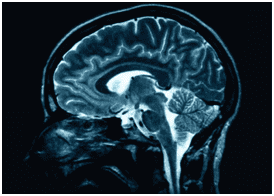 How can fear be overcome? The amygdala is the part of the brain that decodes emotions, determines possible threat, and stores fear memories. In one study the amygdala was deliberately damaged in rats. With the damaged amygdala the rats walked right into cats with no fear response at all. Their fear response was completely disabled to the point of being dangerous to their lives. There are more effective ways to overcome fear that maintain our ability to protect ourselves.
First, identify your fears. What are you afraid of? Is there a rational basis for your fear? Did something happen in your past that established the fear pattern? Are you afraid of what others will think? Are you afraid to fail? How about to succeed? Is your fear on the list above? Some other common fears are: fear of rejection, fear of not having enough money; fear of commitment; fear of not being good enough; fear of being overwhelmed; fear of not knowing enough. Does this sound like you?
Second, learn about your fears. Spend a little time understanding your fear. Where did you get this fear? When did it begin? Was there a time when you didn’t have it? Is there a fear based pattern that operates in your life that keeps you from doing or achieving what you want? Look for irrational beliefs about the world that aren’t true that limit you. When and why did you develop these beliefs? You may need to get professional help with this step.
Third, desensitization, fear extinction and exposure therapy are all techniques that help break the connect ion between a trigger and an unwanted fear response. Take action. Doing the activity that you fear and discovering it wasn’t so bad after all can reprogram the fear response. Step into your fear. Do it gradually, step by step. You might start with using your imagination to visualize facing your fear before actually doing so. Most likely you will feel very uncomfortable at first because you are facing your fear and are acting outside your comfort zone. However, the more you do this, the more comfortable you will become. Especially when you see that the thing you are most afraid of doesn’t actually happen. Again, you may find this easier if you work with a professional trained in this process such as a psychotherapist.
 Now that you know it is possible, try reprogramming your fear response. Start with one of your smaller fears. When you experience success reprogramming it, you will gain confidence that you can apply to more intense fear. Don’t let unnecessary fear hold you back any longer. Remember, courage is feeling fear and acting anyway.
Connect with me
Products