Is Your Child or Teen Addicted to “Screens”?
Is your child addiction to screens?
Since I was a child, I have loved to play games such as board games and cards. Earlier this year I downloaded a few computer games onto my iPad and iPhone and discovered I really enjoy playing them. But I have noticed that sometimes I play much longer than I intended, or I keep playing when I am tired and need to go to sleep. And it often feels easier to play them than to go do something else.
I gradually began to notice how much time I was spending playing games on my iPad and I started to wonder if I might have become addicted to using my “screens”.
Screens like drugs
Some experts are now calling iPads, tablets, smartphones, Xboxes, and TVs – “screens.” 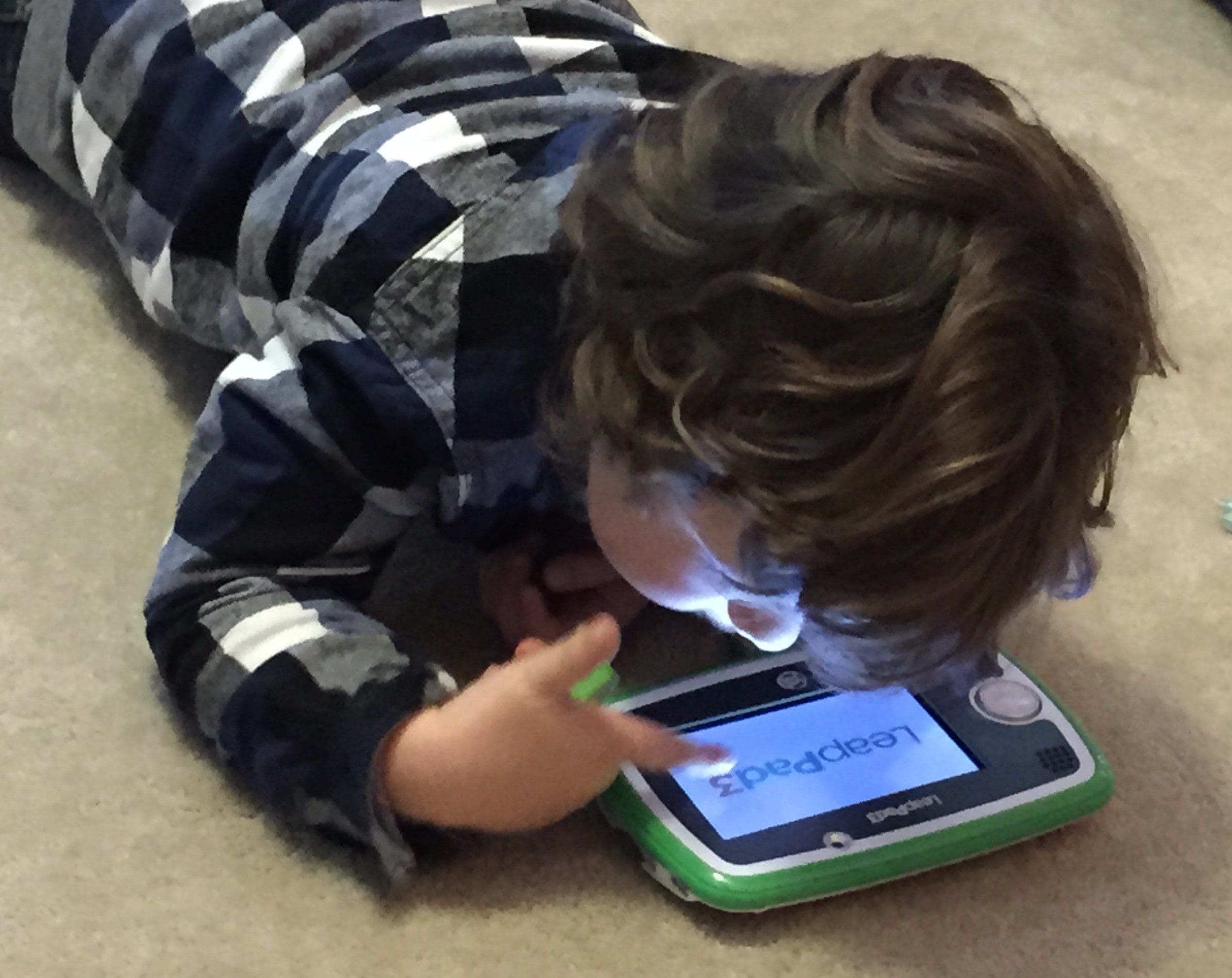 A recent article by Dr Richard Kardaras that appeared in the NY Post stated that some are referring to screens as a “digital drug”, “electronic cocaine” and “digital heroine” because studies are finding that brains can become addicted to using them. Using them is hyper-arousing and raises dopamine levels which is the same feel-good neurotransmitter most involved in addiction.
Recent brain imaging research
Research is showing that playing video games on screens affect the brain’s pre-frontal cortex in exactly the same way that cocaine does.
The pre-frontal cortex controls executive functioning including impulse control, attention, motivation, planning, organizing and mood regulation. This is the area of the brain often implicated in poor concentration and impulse control associated with ADHD.
Yikes, it’s scary to think that the brains of our kids and teens can actually be affected by using “screens” in much the same way that cocaine affects them.
Watching TV has also been found to result in changes to the brain that resemble addiction and cause the viewer to keep watching.
Screens may cause mental health issues
Besides the addiction issue, numerous clinical studies have shown that screens can also increase depression, anxiety, poor concentration, and aggression and can sometimes lead to psychotic-like features where the screen users lose touch with reality. Other studies have shown changes in cognitive function as well as the structure of the brain.
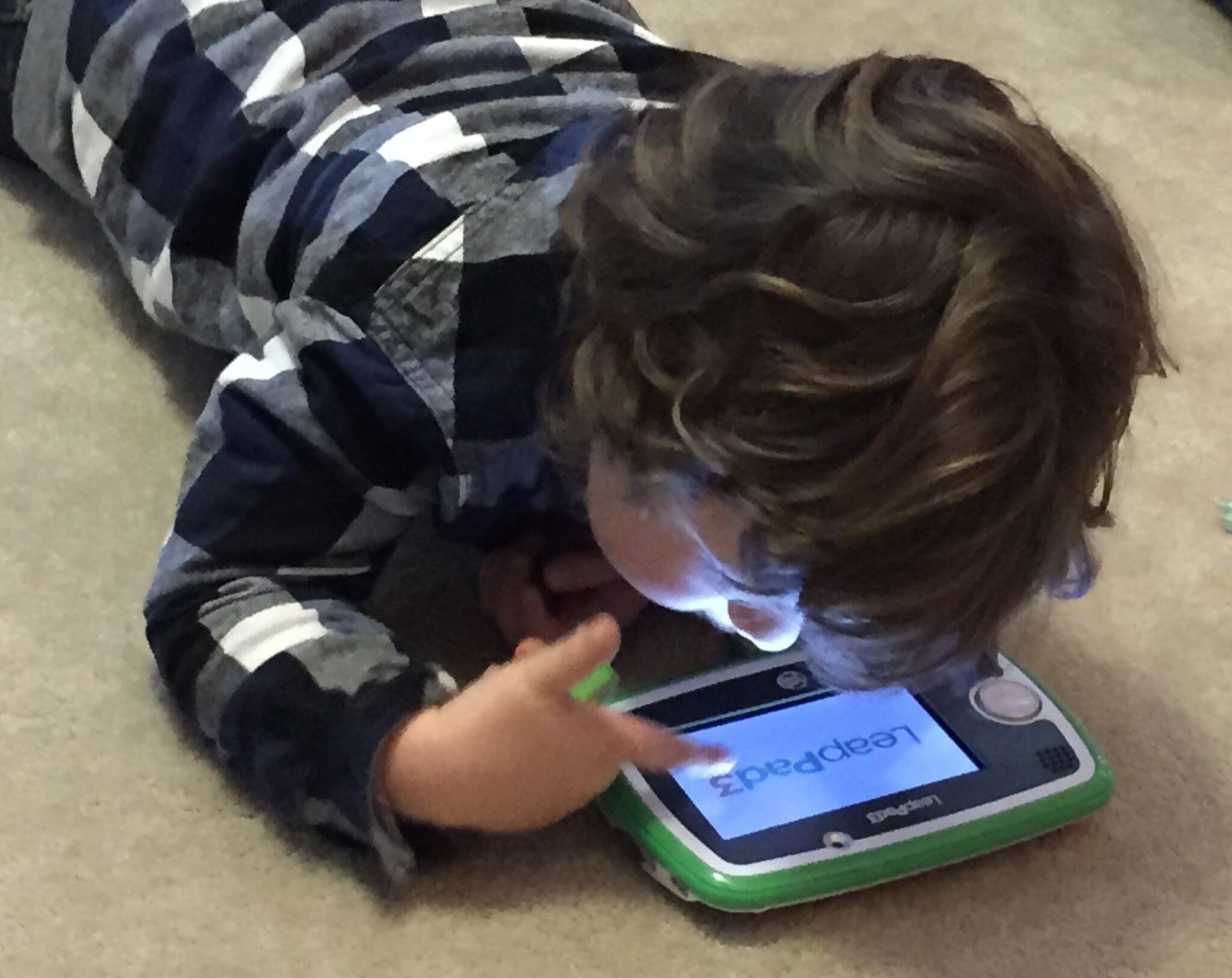
Even “educational” games and TV shows can be addictive. Yup, even awesome games like Minecraft or Leapster can make the brain look like it is on drugs – if it has become addicted!
So how do you know if your kids or teens are addicted to “screens?”
Addiction Checklist
Use the following checklist to help you decide. If you check off more than 2 or 3, then they are most likely experiencing some level of addiction. They:
→ use screens for many hours most every day.
→ would rather use screens than do other age-appropriate activities.
→ get angry, resistant, and/or reluctant to turn them off or have an intense temper tantrum when you ask them to turn the screens off.
→ tell you they will turn them off but then don’t.
→ stay up past their bedtime using them.
→ neglect their chores, homework, or friends in favor of using them.
→ would rather use screens than do anything else, even things they love doing.
→ struggle to pay attention when not using them.
→ have trouble making or keeping friends.
→ often seem bored, uninterested, or unmotivated when not using screens.
→ have lost interest in things they used to enjoy.
→ have become depressed as their use of screens increased.
→ have worsening anxiety as their use increased.
→ have trouble staying present in reality.
Read part 2 of this blog where I discuss options for preventing and decreasing addiction to screens. Read it here.
Connect with me
Products